


Product Description
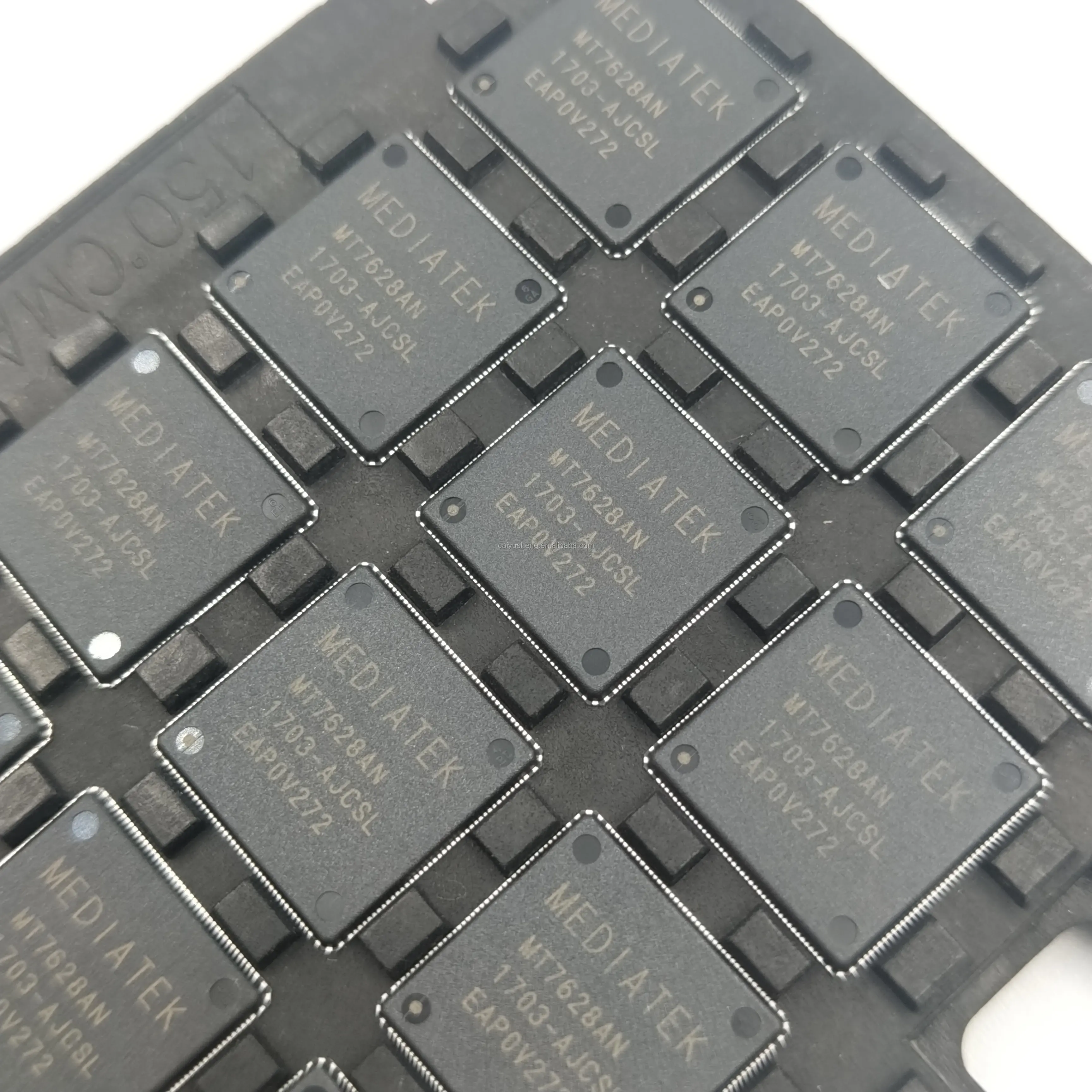
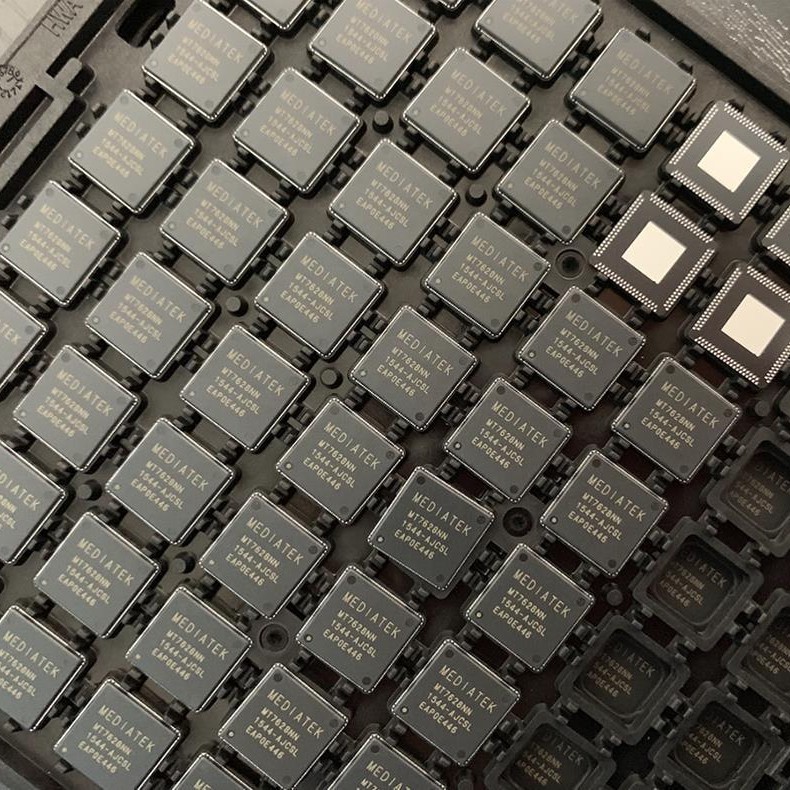
The MTK MT7628NN is a dual-band Wi-Fi SoC designed to provide reliable, high-speed connectivity for a wide range of IoT and networking applications. Supporting Wi-Fi 4 (802.11n) and Wi-Fi 5 (802.11ac) standards, the MT7628NN offers 2.4GHz and 5GHz bands to ensure flexible wireless communication with high performance. The 2.4GHz band is well-suited for devices that need longer-range connectivity with moderate data rates, while the 5GHz band offers faster speeds with reduced interference, ideal for applications that require high bandwidth, such as video streaming, online gaming, and large file transfers.
At the core of the MT7628NN is a 32-bit MIPS processor, which efficiently handles networking tasks and basic data processing. The processor is optimized for managing both Wi-Fi 4 and Wi-Fi 5 communication protocols, making the chip suitable for a variety of use cases, from home routers to smart home devices.
The MT7628NN’s high integration is one of its key strengths. By combining multiple functions into a single chip, it reduces the need for external components, which results in lower overall costs, more compact device designs, and improved power efficiency. This makes the chip an excellent choice for IoT devices, wireless access points, smart home hubs, and other networked products that need to operate efficiently and cost-effectively.
For networking performance, the MT7628NN supports advanced features such as NAT (Network Address Translation), QoS (Quality of Service), and VPN pass-through. These capabilities allow for efficient management of data traffic, ensuring that time-sensitive applications like video calls or gaming get priority over less urgent data. The chip also supports Wi-Fi Direct, enabling devices to communicate directly with each other without needing a central router or access point, which is ideal for direct file transfers, device control, or wireless communication between devices.
In terms of security, the MT7628NN supports WPA2 encryption, ensuring that the wireless connection is secure and resistant to unauthorized access. Additionally, it incorporates secure boot, which helps protect against unauthorized firmware, preventing malicious code from running on the device.
The chip also offers low-power consumption and includes power-saving features such as sleep mode to help extend battery life in IoT devices and other energy-sensitive applications. This makes it particularly well-suited for devices that need to run continuously or for extended periods without frequent recharging, such as wireless sensors, smart appliances, and home automation systems.
Specification
CPU:
32-bit MIPS processor that provides reliable performance for managing Wi-Fi communication and basic networking tasks.
Optimized for handling low to moderate data traffic and processing tasks.
Networking:
Dual-band Wi-Fi support for 2.4GHz and 5GHz.
Supports Wi-Fi 4 (802.11n) and Wi-Fi 5 (802.11ac) standards, delivering flexible, high-performance connectivity options.
Advanced networking capabilities, such as NAT, QoS, and VPN pass-through, for enhanced network management and optimization.
Memory:
Integrated Flash memory and RAM, sufficient for the firmware and configuration settings required by IoT and networked devices.
I/O Interfaces:
Includes GPIO, SPI, I2C, and UART interfaces for integrating with various sensors, actuators, and external devices.
Useful for applications like smart routers, networked sensors, and home automation systems.
Security:
Built-in WPA2 encryption for secure Wi-Fi communication.
Secure boot and other security features to protect the device from unauthorized access and attacks.
Power Management:
Designed to be energy-efficient, with low-power consumption during idle periods, making it suitable for battery-powered devices or those with continuous operation.
Includes power-saving modes such as sleep mode to further reduce energy usage when not in active communication.